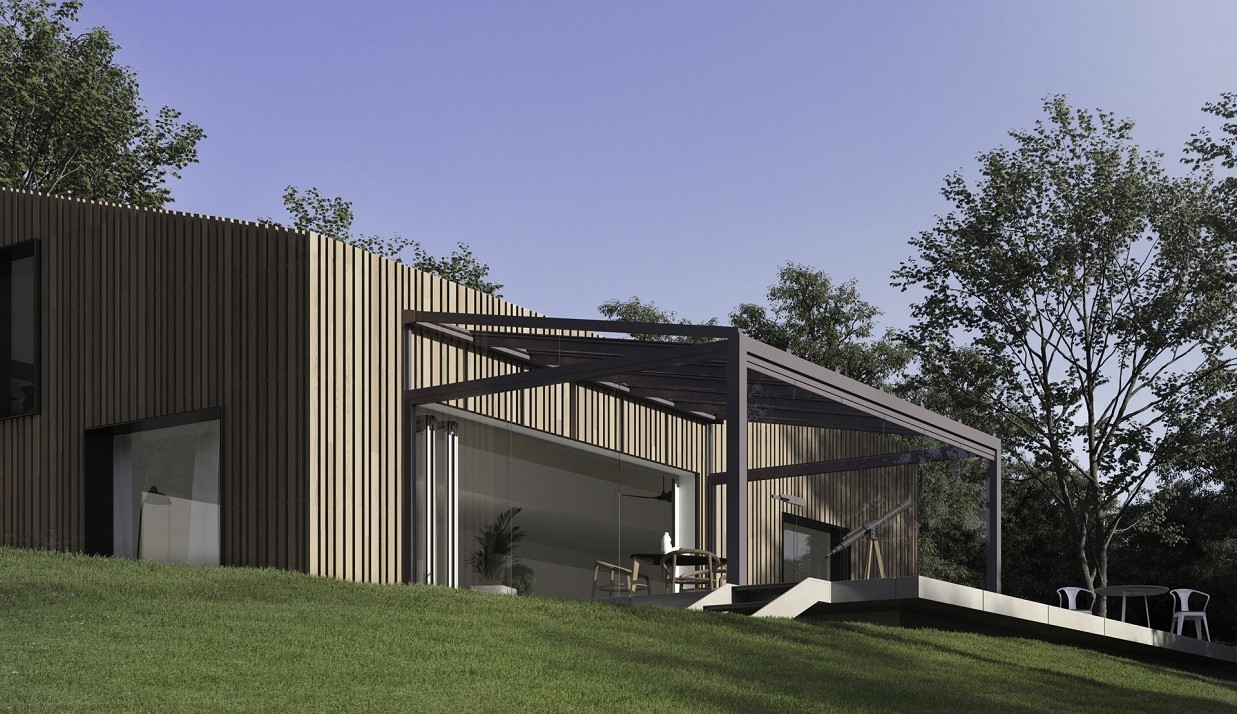
A wintergarden that works all year, not just in spring
The difference between a room you use in November and one that is too hot in July is specification, not marketing. Glass roofs, shading and ventilation explained.
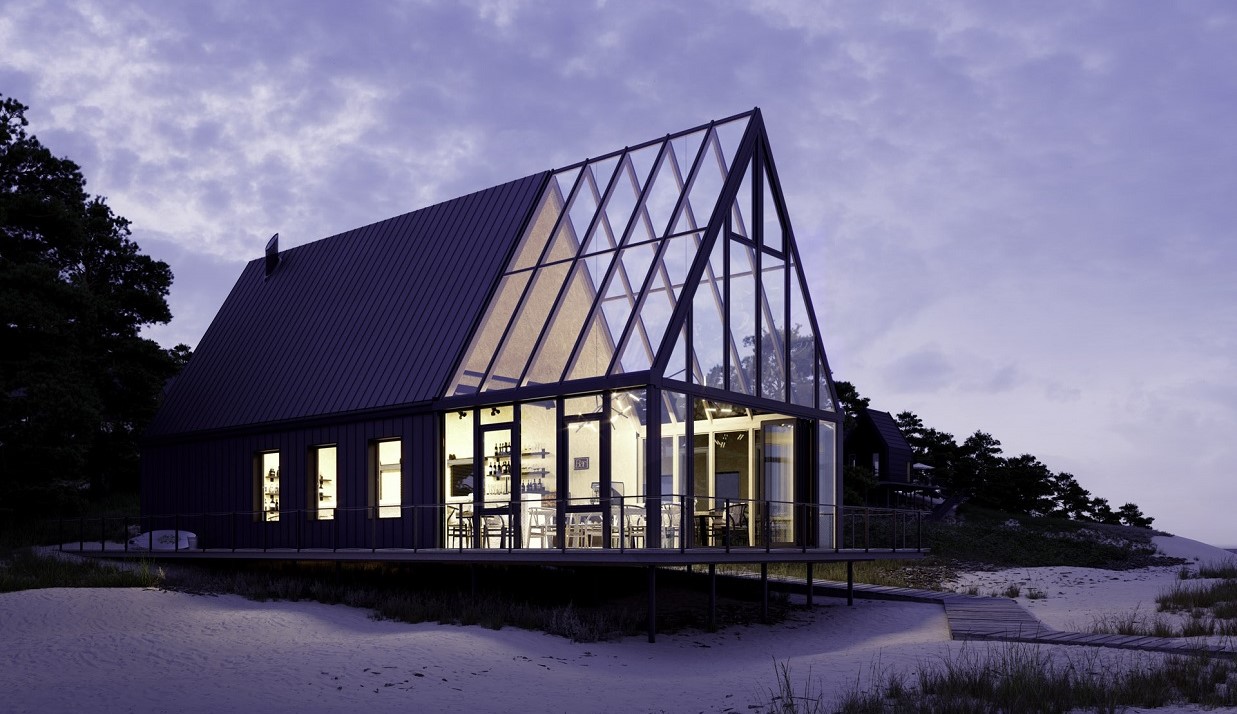
- Glass roofs gain and lose heat quickly, so shading and ventilation decide comfort.
- A wintergarden is normally assessed as an extension for Building Regulations.
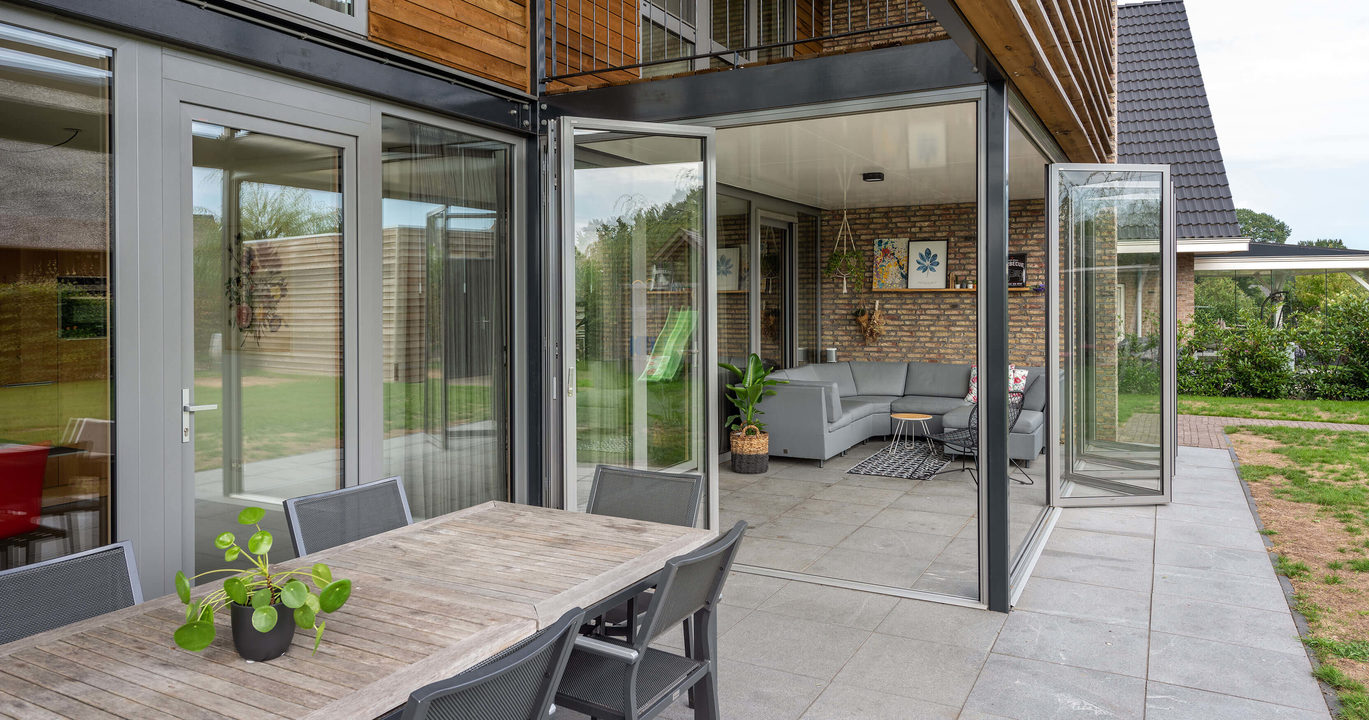
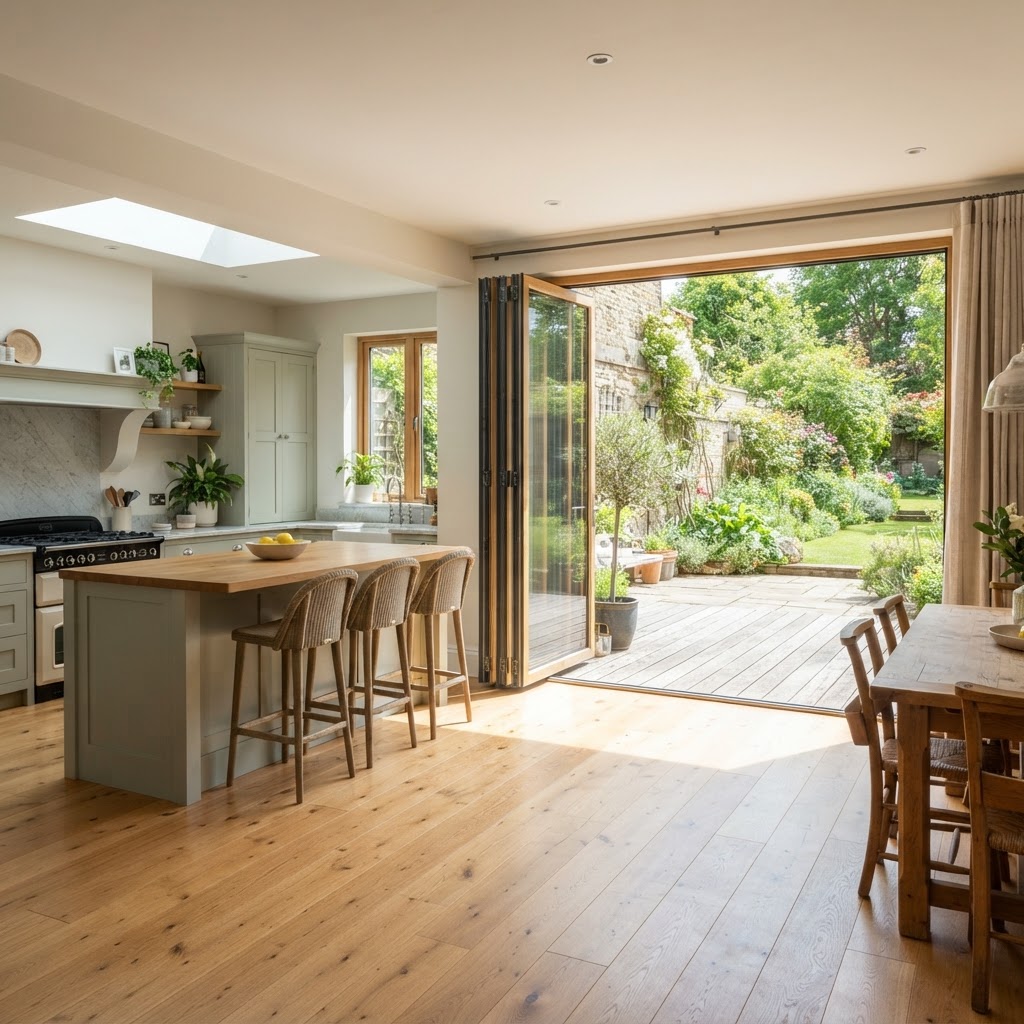
- Folding doors under a glass roof give the room its flexibility.
A wintergarden is the glazed room you can use in November, and the name implies a promise the design has to keep. A room that is too hot in July and too cold in January is a specification problem rather than an unlucky one.
A glass roof over a real room
A glazed or solid roof with a folding or sliding wall beneath it gives a space that can be closed against the weather and opened to the garden in one movement. That flexibility is the whole point of the room.
Temperature and sun
Glass roofs gain heat quickly and lose it just as quickly. Solar control glazing, external shading and openable roof vents keep summer temperatures under control, while underfloor heating or a small radiator handles the winter edge.
If the room opens to the house, it is usually assessed as part of the dwelling for Building Regulations, which brings thermal performance, structure and ventilation into the design.
Blinds and ventilation
An internal blind is a comfort measure rather than a solar control one, because the heat is already inside by the time it reaches the fabric. Roof vents and low level openings used together move air through the room far better than either on its own.
Planning
A wintergarden is normally treated like a conservatory or an extension, so the same permitted development limits apply, and so do the exceptions for listed buildings, conservation areas and Article 4 directions.
Written by the Minimal Frame Projects UK team. If you would like advice on a specific opening, send us the dimensions and a few photographs and we will come back with a specification.