Balcony glazing for flats: consent, rules and cost
One of the few ways to add a usable room to a flat without moving. The paperwork that stops most projects, and what the glazing actually changes.
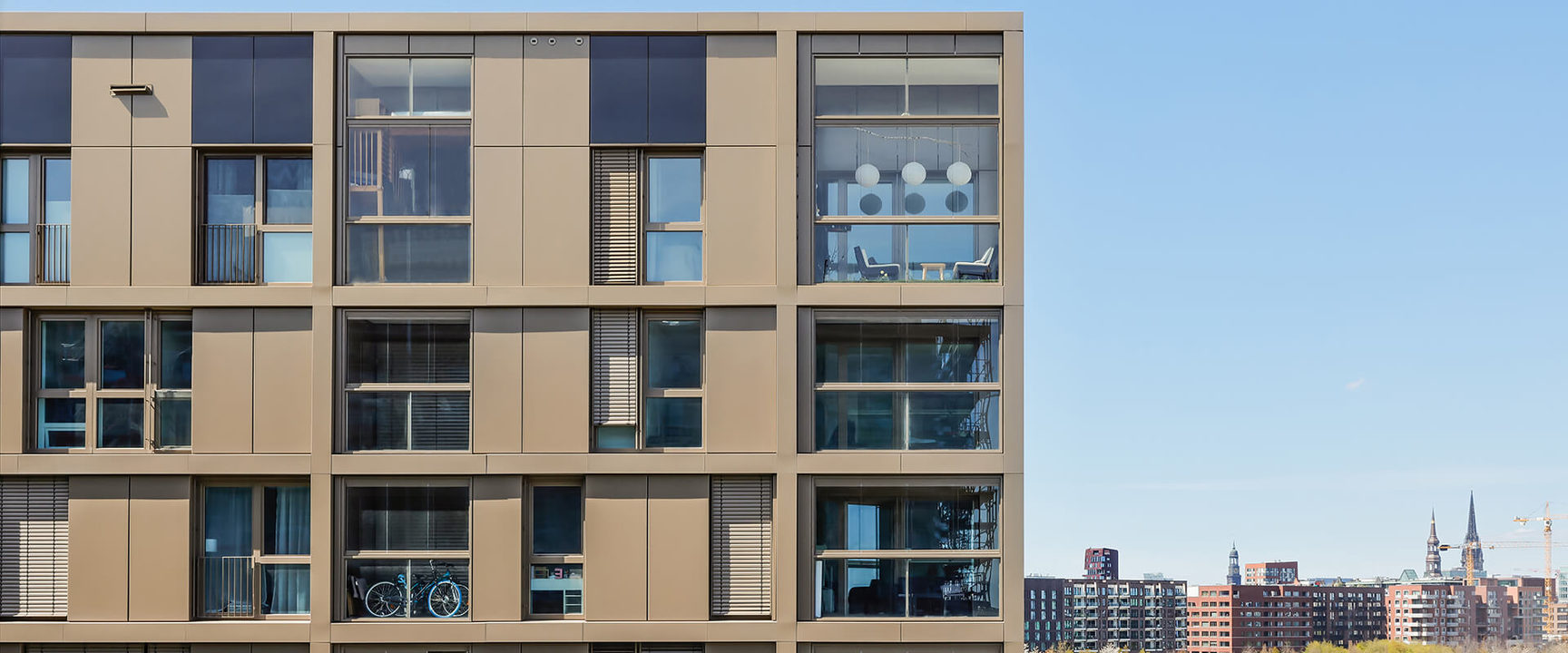
- Planning permission is rarely the obstacle. The lease usually is.
- Get the freeholder's or management company's consent in writing before ordering.
- Glazed balconies can affect ventilation and the fire strategy of the building.
Glazing a balcony is one of the few ways to add a genuinely usable room to a flat without moving house. It is also the project that most often stalls on paperwork, and it is usually not the council that is causing the delay.
Consent comes first
Most balcony glazing does not need planning permission, because it does not add to the footprint and is often treated as an enclosure rather than a new structure. What it almost always needs is the freeholder's or the management company's written consent, and that is normally granted as a licence to alter.
Some leases prohibit any change to the external appearance, and some managing agents have a standard specification. Ask before spending money on a survey.
Building Regulations and fire safety
Where the glazing changes a means of escape, encloses a protected route or affects the ventilation of the flat, Building Regulations approval may be required. This is worth a conversation with the local authority before anything is ordered.
What it costs and what you gain
Price follows the size of the balcony, the number of sliding panels and how the system is fixed without drilling into anything structural. Panels are usually top hung or bottom running, and the tracks need to drain.
The gain is real. A balcony that was unusable in the wind becomes somewhere you can sit from March to November, and the room behind it stays warmer in winter.
Written by the Minimal Frame Projects UK team. If you would like advice on a specific opening, send us the dimensions and a few photographs and we will come back with a specification.